Industry Insights

Explore the latest trends, technical innovations, and market intelligence in functional materials and global chemical supply chains.

Browse by Category

Need a Custom Quote?

Connect with our team for tailored sourcing solutions.

Product Knowledge

PET Base Film for PCB Dry Film Photoresist: What It Does and How to Select It

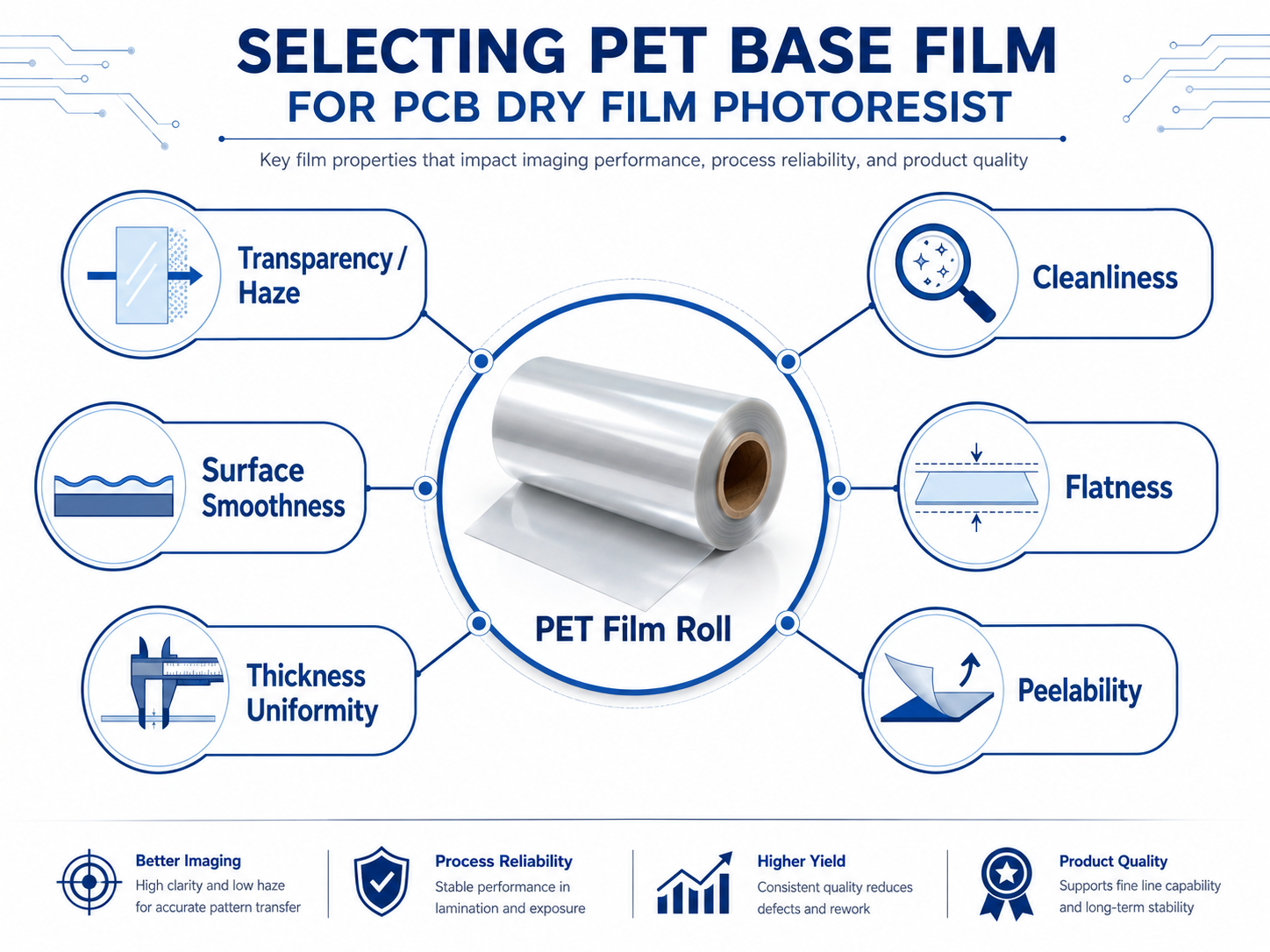
Introduction When engineers discuss dry film photoresist for printed circuit board manufacturing, attention usually goes first to the photosensitive resin. However, another material plays a critical supporting role throughout coating, handling and exposure: the PET base film. In dry film resist systems, a photosensitive resin layer is laminated onto a light-transmitting polyester base film, while a polyethylene cover film is typically used on the opposite side for protection. During PCB processing, the cover film is removed, the photosensitive layer is laminated onto the circuit-board substrate, and UV exposure is carried out through the PET base film before the carrier is

Read More »
All Posts

Food-Grade Sodium Bicarbonate in Food Processing: Functions, Grades and Selection Guide

Introduction Food manufacturers often think of sodium bicarbonate simply as baking soda. In industrial food processing, however, its role can be much broader. Food-grade sodium bicarbonate can function as a leavening ingredient, acidity regulator, processing aid and formulation component in bakery products, beverages and other food-processing systems. LANGYI’s current food-grade sodium bicarbonate portfolio includes Standard Food Grade, Low-Salt Grade and Fine-Powder Grade, designed for different processing requirements involving general food production, chloride control, dissolution and dispersion. For manufacturers, choosing the right grade is therefore not only a question of chemical purity. Particle size, chloride specification, dissolution behavior, moisture control and

Read More »
All Posts

Ion Trapping Agents for Semiconductor Packaging: Controlling Ionic Impurities in Epoxy Encapsulants

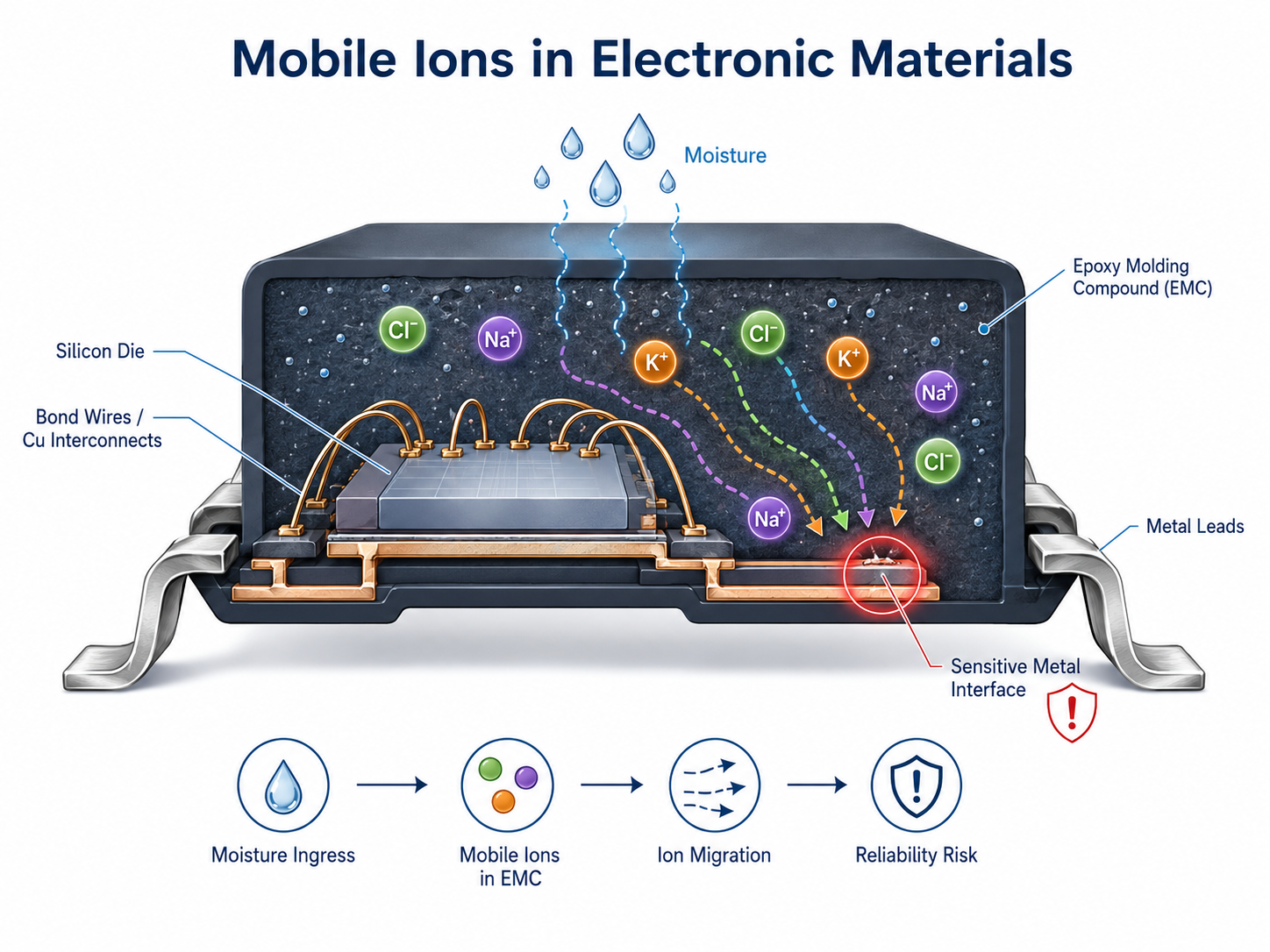
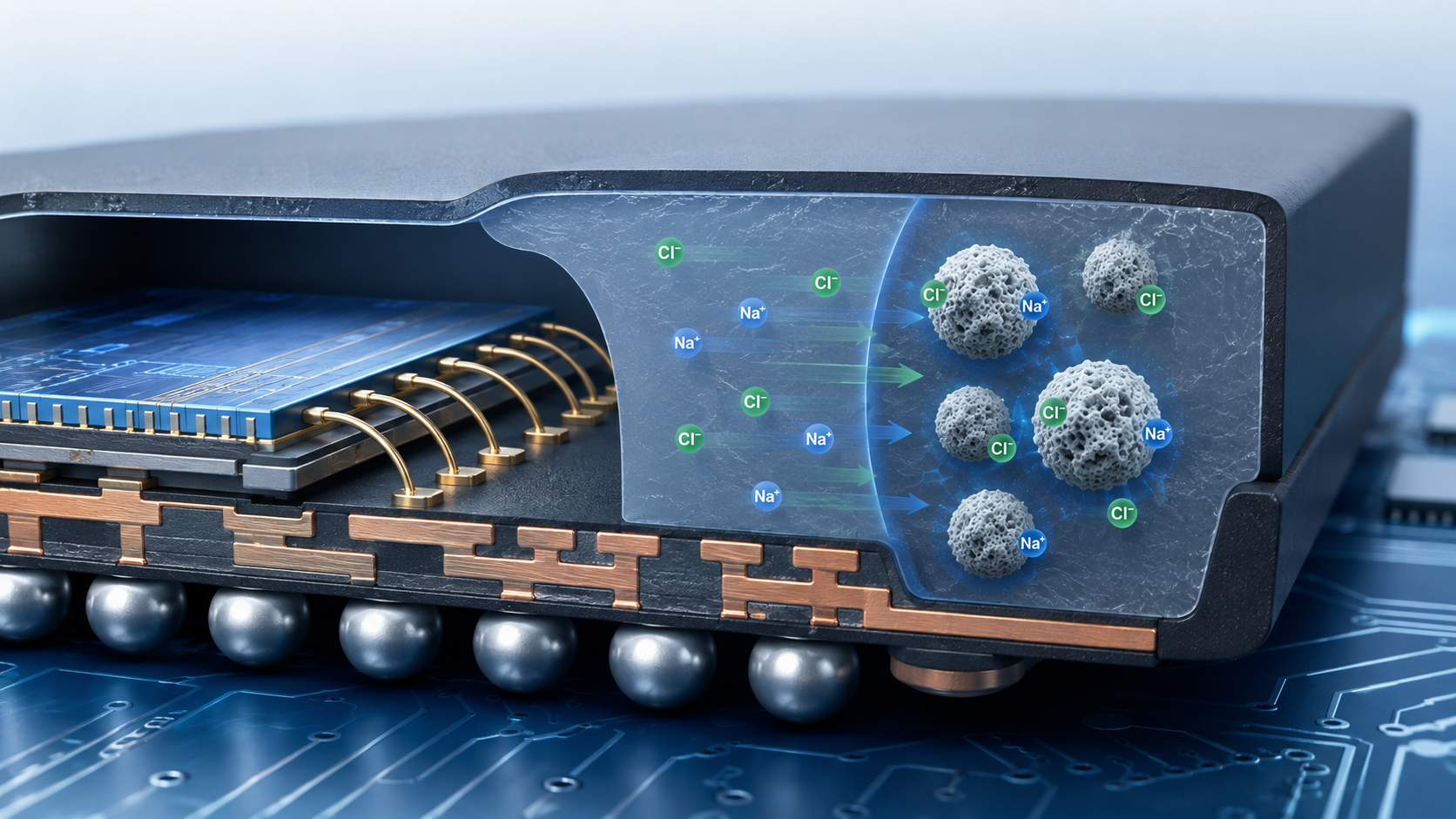
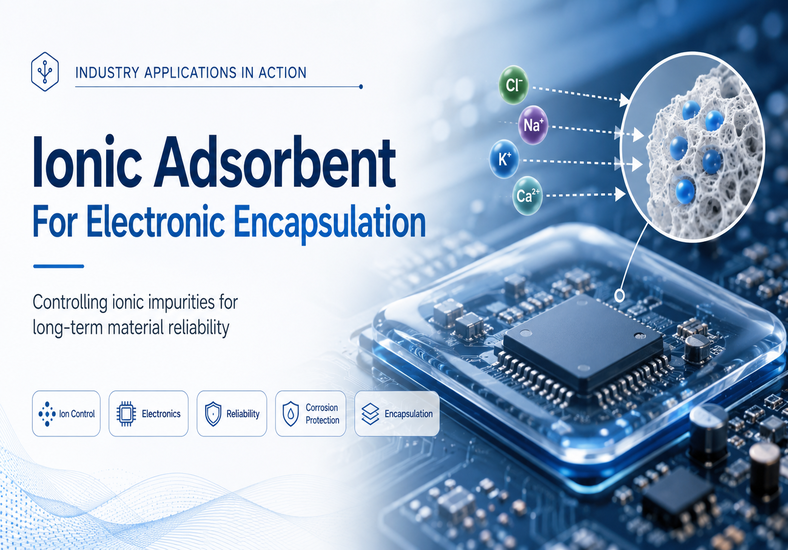
Introduction As semiconductor packages become smaller, denser, and more highly integrated, material purity becomes increasingly important to long-term device reliability. Epoxy molding compounds (EMCs), liquid encapsulants, underfills, adhesives, and other polymeric packaging materials protect semiconductor devices from mechanical stress and environmental exposure. However, these materials can also contain trace ionic impurities originating from raw materials, synthesis residues, additives, fillers, processing steps, or external contamination. Among these impurities, mobile ions such as chloride (Cl⁻), sodium (Na⁺), potassium (K⁺), and other ionic species can become problematic when moisture, electrical bias, and elevated temperature are present. Research on microelectronic encapsulants has shown that

Read More »
All Posts

How to Reduce Heat in PET Film

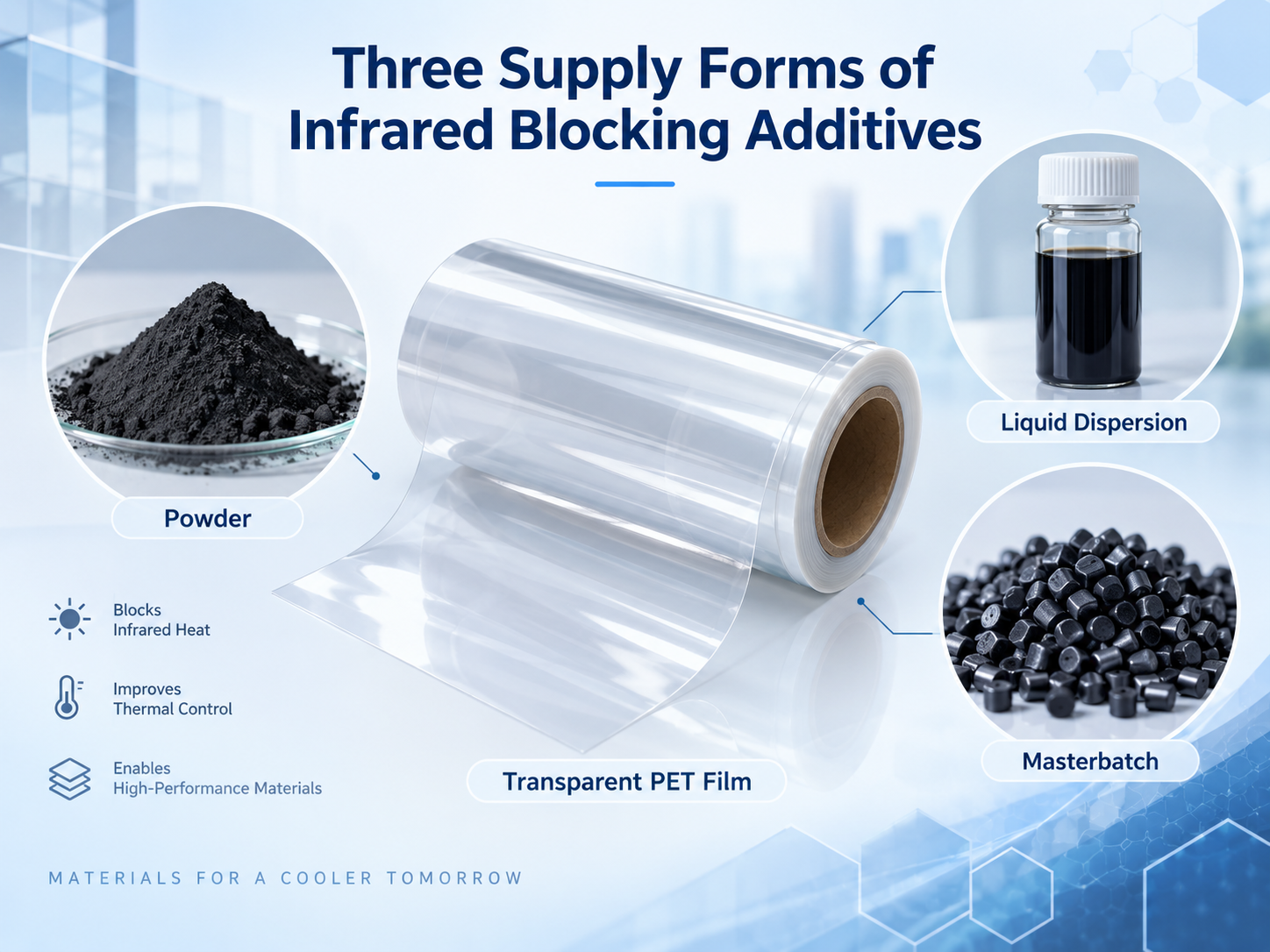
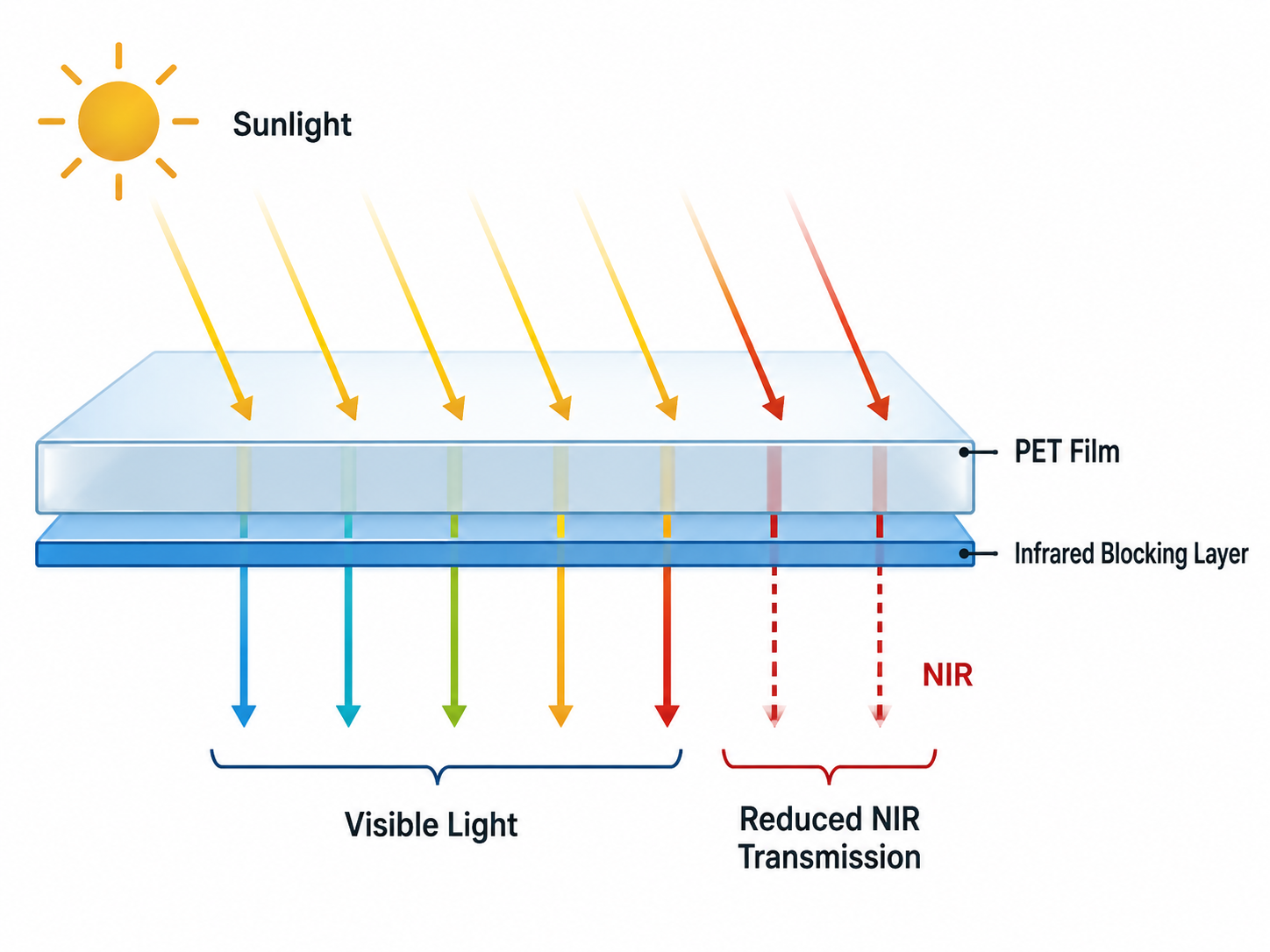
Introduction Polyethylene terephthalate (PET) film is widely used in automotive window films, architectural films, optical films, protective laminates, and other functional film applications because of its excellent mechanical strength, dimensional stability, transparency, and processability. However, when PET film is used in applications exposed to sunlight—particularly automotive glazing—controlling solar heat becomes an important technical challenge. A transparent film must allow sufficient visible light to pass through while reducing the amount of solar energy entering the vehicle or building. Simply making the film darker is not always an effective solution because visible-light absorption and infrared heat management are two different issues. One

Read More »
All Posts

Ionic Adsorbents for High-Reliability Electronic Encapsulation

Ionic Adsorbents for High-Reliability Electronic Encapsulation Controlling Ionic Impurities in Sensitive Electronic Materials Modern electronic devices depend on increasingly compact circuits, finer conductive pathways and high-performance encapsulation materials. As electronic components become smaller and more complex, even trace levels of ionic impurities can create long-term reliability risks. Ions such as sodium, chloride and bromide may originate from raw materials, catalysts, fillers, processing aids or environmental contamination. Under heat, humidity and electrical bias, these mobile ions can migrate through a resin or adhesive system and contribute to corrosion, insulation deterioration and electrical failure. Ionic adsorbents are designed to selectively capture undesirable

Read More »
All Posts

Selective Solar Management for Architectural Window Films

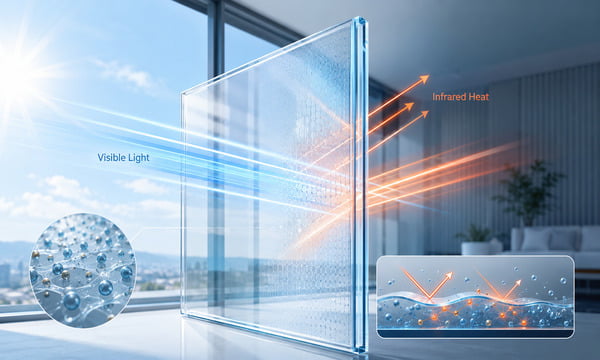
Application of Infrared-Blocking Agents for Optical Clarity, Thermal Control, and Long-Term Durability Abstract Architectural window films are designed to reduce solar heat gain while maintaining natural daylight, visual transparency, and indoor comfort. In practical formulation and coating development, however, improving infrared-blocking performance may also lead to reduced visible light transmittance, increased haze, color deviation, coating temperature rise, dispersion instability, and reduced outdoor durability. The application of an infrared-blocking agent should therefore not be evaluated solely by the infrared rejection measured at a single wavelength. Product development should consider the complete solar spectrum, nanoparticle dispersion, resin compatibility, coating thickness, glazing configuration,

Read More »
All Posts

Infrared Blocking Materials: A Science-Based Approach to Transparent Heat Insulation

Infrared Blocking Materials: A Science-Based Approach to Transparent Heat Insulation 紅外線阻隔材料:透明隔熱應用中的科學化材料方案 Why Infrared Blocking Matters In modern buildings, vehicles, and functional films, one of the key challenges is how to reduce heat from sunlight without sacrificing transparency. Sunlight contains ultraviolet, visible, and near-infrared radiation. Recent studies on energy-saving coatings point out that near-infrared radiation accounts for a significant portion of solar heat, and ordinary glass lacks spectral selectivity because it allows both visible light and near-infrared light to pass through. Therefore, transparent heat-insulation materials need to selectively block near-infrared radiation while maintaining high visible light transmittance. This is exactly the

Read More »