
Polyester TPU can meet demanding requirements for flexible films, tubing and molded components. For parts exposed to warm, humid conditions, however, initial mechanical properties tell only part of the story. The more useful question is how much performance remains after exposure.
An anti-hydrolysis agent for TPU should therefore be selected around the polymer grade, manufacturing process and intended service environment. This guide explains the role of carbodiimide stabilization and proposes a practical evaluation plan for development teams comparing candidate additives.
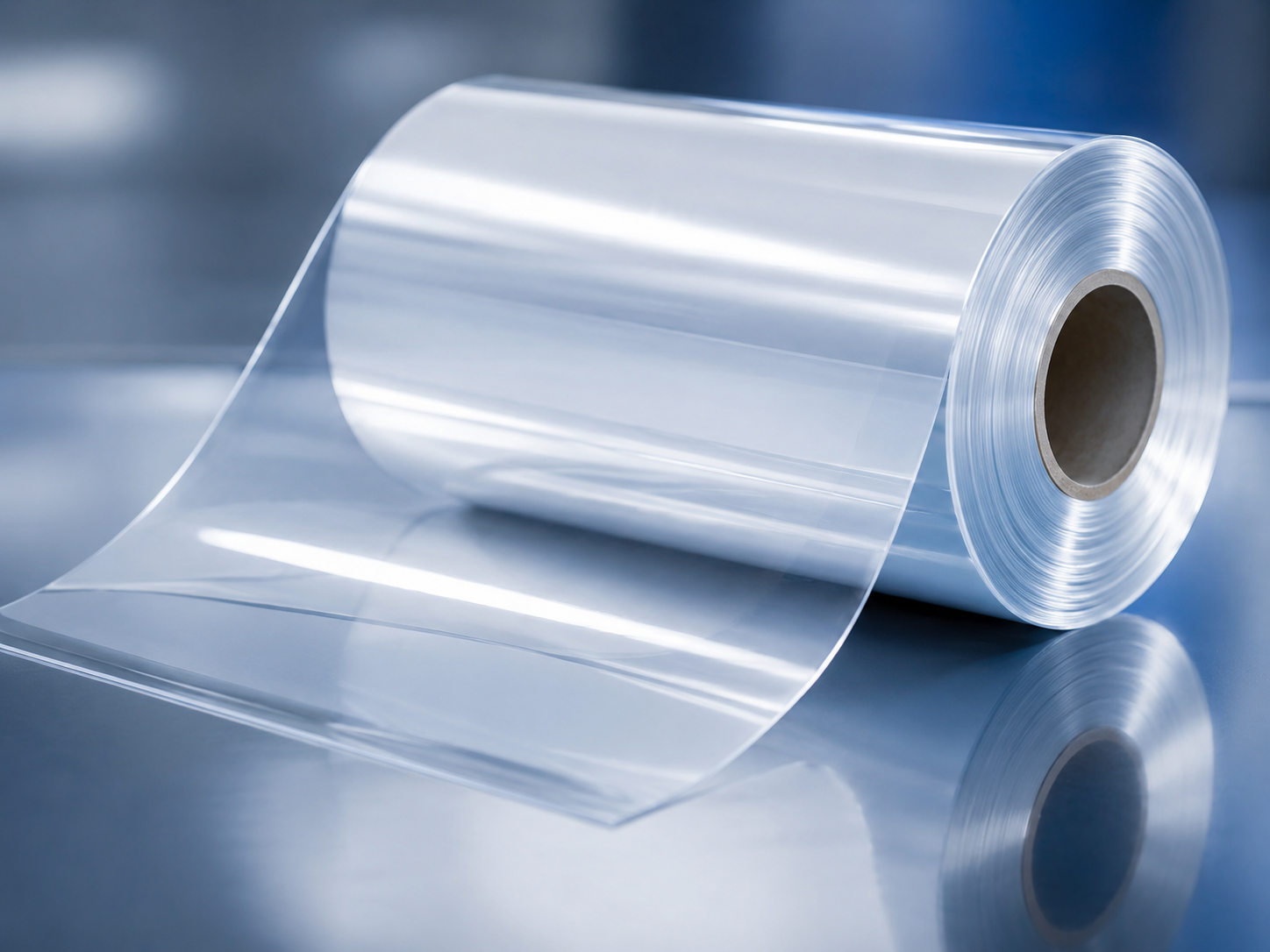
Why polyester TPU needs a durability assessment
Hydrolysis can cleave ester bonds in polyester-based materials and reduce molecular weight. Carbodiimide stabilizers react with carboxylic acid groups associated with degradation, helping slow further hydrolytic deterioration. LANGYI describes this stabilization approach in its HyMax® polymeric anti-hydrolysis product information [1]. Commercial carbodiimide stabilizers are also offered specifically for polyester-based PU and TPU by other materials suppliers [2].
For a development project, begin by documenting the actual TPU chemistry. Do not treat every polyurethane as the same material. Ask the resin supplier to identify the grade, its recommended drying conditions and its existing stabilization package before planning additional modification.
Define the failure that matters to your product
A useful project brief states both the environment and the unacceptable outcome. For tubing, that may be loss of strength or cracking after humid exposure. For a flexible film, it may be failure during repeated stretching. A molded part may require a combination of tensile performance, appearance and dimensional stability.
Write the acceptance criteria before testing. Specify which property must be retained, when it will be measured and how the specimen will be conditioned. This prevents the team from choosing whichever measurement happens to look favorable after the trial.
If returned parts are available, include their observed damage in the brief. A surface appearance change alone should not be labeled hydrolysis without supporting investigation. Heat, light, chemicals and mechanical loading may need separate evaluation.
Match the additive to the manufacturing route
Ask suppliers to recommend candidates for your actual melt-processing temperature and residence time. Request the proposed addition method, active content and handling information. For a masterbatch, identify the carrier resin and account for the amount introduced into the formulation. For a liquid or solid additive, check whether existing equipment can meter it consistently.
Build a comparison sheet that records the resin lot, additive lot, drying history, processing settings and specimen thickness. Keep those conditions consistent across the control and modified formulations. Where a process setting must change, record the reason so that a processing improvement is not mistakenly attributed entirely to the additive.
Also inspect production behavior. Record feeding consistency, melt pressure, visible defects and any change in the surface of the finished sample. A candidate must remain practical to manufacture as well as promising in an aging test.
Compare retained properties rather than one final number
A useful screening design includes an unmodified control and a small range of supplier-recommended addition levels. Measure the relevant properties before aging and at several exposure intervals. Use replicate specimens so that a single unusually strong or weak sample does not determine the result.
For a mechanical property, report retention as the aged value divided by the initial value, multiplied by 100. Present the absolute measurements alongside that percentage. A formulation with high percentage retention may still miss the minimum strength required for the part.
Keep dry-heat and humid-aging comparisons separate where both are relevant. Record whether specimens are tested immediately after exposure or after reconditioning. Treat accelerated tests as comparisons under stated conditions; do not convert them into a universal number of service years without a validated relationship to field exposure.
Discuss HyMax with the application requirements in hand
LANGYI lists TPU among the application materials for selected HyMax® polymeric anti-hydrolysis grades [1]. The broader portfolio also includes different supply forms [3]. These options provide a starting point for discussion rather than a single recipe for every TPU.
Send the technical team your resin grade, process, target properties and aging protocol. Include any restrictions on appearance or downstream bonding. Request a current TDS and a suitable trial recommendation through LANGYI’s contact page.
Frequently asked questions
Can an anti-hydrolysis additive replace drying?
Keep the resin supplier’s drying procedure in the trial plan. Evaluate the stabilizer as part of a controlled process, rather than using it to justify an uncontrolled moisture history.
What dosage should be used for polyester TPU?
There is no single dosage established here. Start with the selected grade supplier’s guidance, state the calculation basis and verify the result in the intended TPU formulation.
Does a better accelerated-aging result prove a longer field life?
It supports a comparison under that test protocol. Field-life claims need additional evidence connecting the laboratory exposure, actual operating environment and relevant failure mechanism.
References
[1] LANGYI HyMax polymeric anti-hydrolysis agents
[2] LANXESS STABAXOL P 200 chemistry and application context