Industry Insights

Explore the latest trends, technical innovations, and market intelligence in functional materials and global chemical supply chains.

Browse by Category

Need a Custom Quote?

Connect with our team for tailored sourcing solutions.

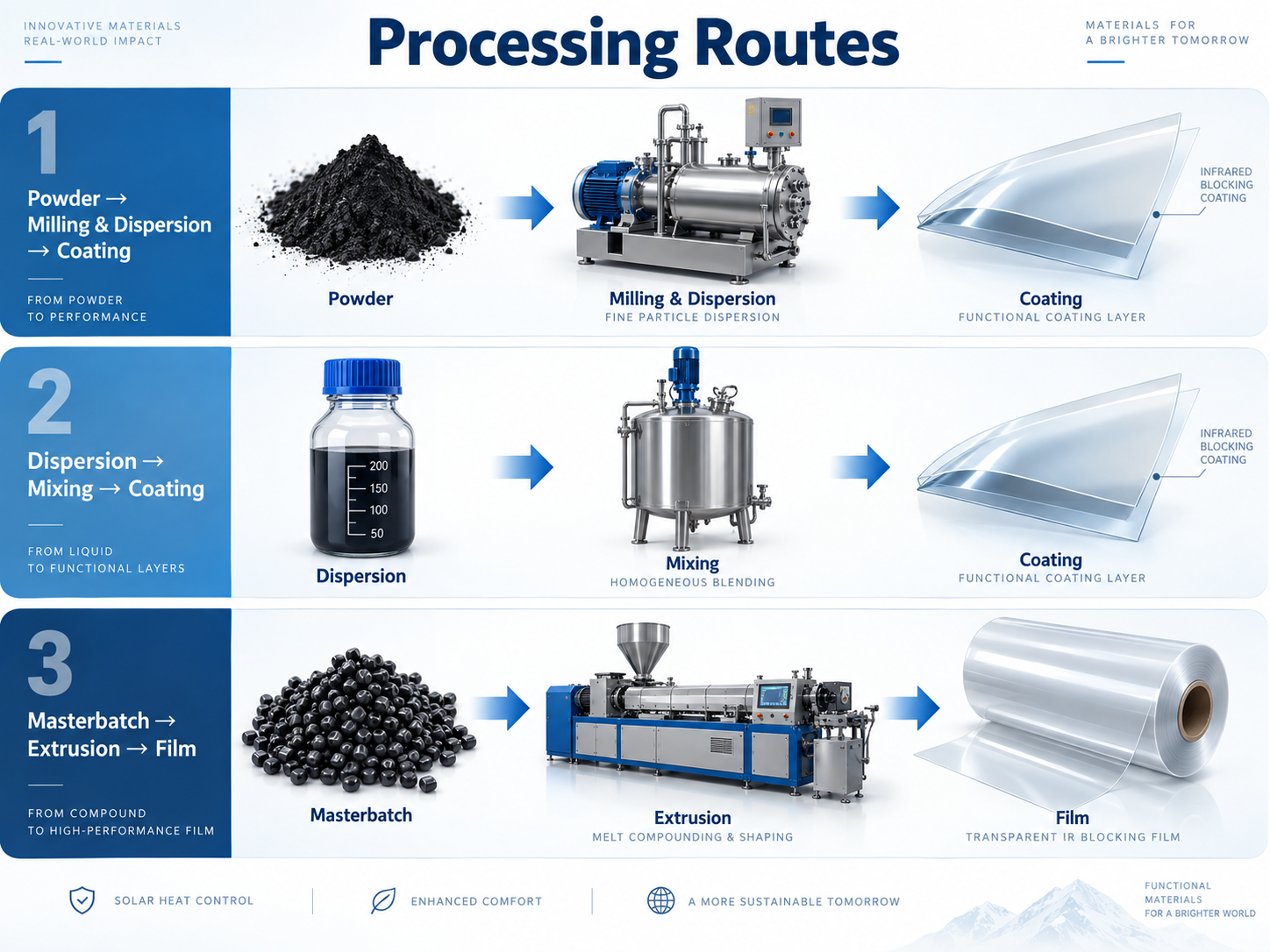
Illustration of powder dispersion and masterbatch processing routes for infrared blocking films and coatings
Product Knowledge

How to Evaluate Infrared Blocking Additives in Coating and Extrusion Trials

Infrared blocking additive testing becomes useful when it helps a team make a reproducible production decision. A promising laboratory sample is a starting point, but manufacturers also need to know how consistently a coating or extrusion process can deliver the required optical properties. After choosing a suitable additive format, the next step is a controlled trial. This guide proposes a practical evaluation workflow for transparent films, coatings and polymer sheets, from defining the comparison basis to reviewing pilot-production samples. Illustrative processing routes. Trial conditions should reflect the intended coating or extrusion process. Define the finished product before comparing additives Start

Read More »
Illustration of a dispensing tip in a liquid formulation
Applications

Carbodiimide Crosslinkers for Waterborne Coatings

A waterborne coating can look satisfactory when dry yet still fall short of the resistance required in use. When the resin contains suitable reactive groups, a carbodiimide crosslinker may be a candidate for improving the coating’s performance. The useful development question is not simply whether crosslinking occurs. It is whether the selected crosslinker delivers the required resistance while preserving working time, film formation and the flexibility needed by the finished product. This guide proposes a structured evaluation for carboxyl-functional waterborne coatings. Illustrative liquid formulation. Crosslinker compatibility, working time and cured-film performance should be verified in the intended coating system. Confirm

Read More »
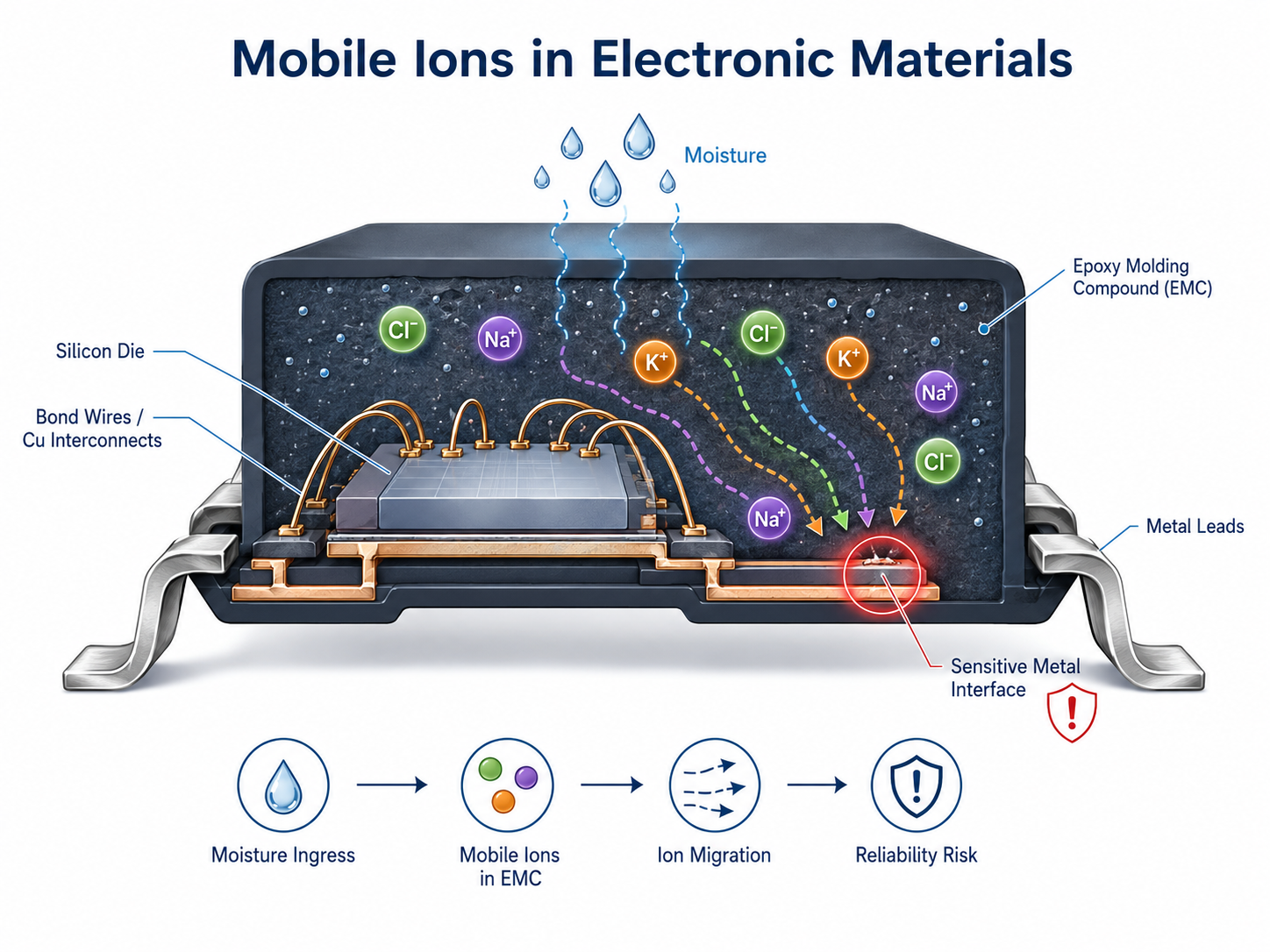
Schematic of moisture ingress and mobile ions in electronic encapsulation materials
Product Knowledge

How to Select an Ionic Adsorbent for Electronic Adhesives

An ionic adsorbent for electronic adhesives should be chosen for a defined contamination problem. A high adsorption-capacity figure may be useful, but it does not by itself establish that an additive will work in a particular adhesive, curing process or electronic assembly. A better selection process connects the target ions with formulation compatibility and a relevant reliability test. The following workflow is intended for teams developing electronic adhesives, including materials considered for flexible printed circuits and other sensitive assemblies. Conceptual illustration of ionic contamination in electronic packaging. Adhesive formulations require their own ion analysis and reliability testing. Identify the contamination

Read More »
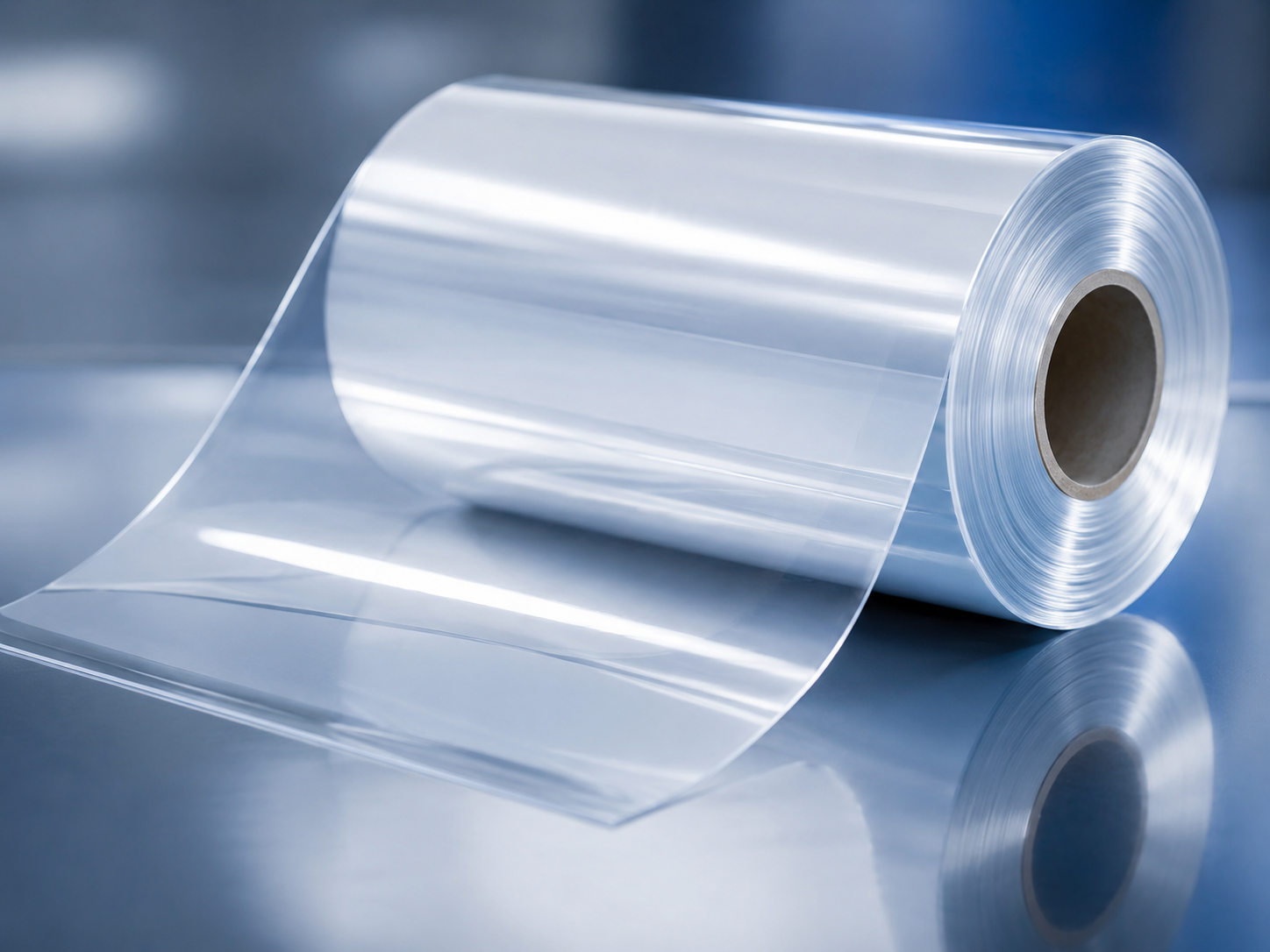
Illustration of a transparent polymer film roll
Applications

How to Select an Anti-Hydrolysis Agent for Polyester TPU

Polyester TPU can meet demanding requirements for flexible films, tubing and molded components. For parts exposed to warm, humid conditions, however, initial mechanical properties tell only part of the story. The more useful question is how much performance remains after exposure. An anti-hydrolysis agent for TPU should therefore be selected around the polymer grade, manufacturing process and intended service environment. This guide explains the role of carbodiimide stabilization and proposes a practical evaluation plan for development teams comparing candidate additives. Illustrative polymer-film application. Hydrolysis resistance should be assessed using the intended TPU grade and service conditions. Why polyester TPU needs

Read More »